

Bot eggs on your horse’s coat can be frustrating and if left untreated, they can lead to internal parasites. Understanding how to remove bot eggs from horses, when they appear, and how to manage them properly is key to keeping your horse healthy and comfortable.
Bot eggs are small, yellowish dots laid on your horse’s hair by bot flies (commonly know as horse flies). These eggs are typically found on:
-
Legs (especially forelegs)
-
Shoulders
-
Chest
-
Mane area
If you’ve been wondering what bot eggs look like on horses, they resemble tiny yellow specks attached firmly to the hair shaft.
When a horse licks or bites these areas, the eggs hatch and the larvae enter the mouth, eventually making their way into the stomach. This is why removing bot eggs from horses is so important.
When Are Bot Eggs Most Common?
Bot flies are most active during:
-
Late summer
-
Autumn (fall)
This is the peak season for bot eggs on horses, although in warmer climates they may appear for longer periods. Regular checks during this time are essential for bot egg prevention in horses.
Effective ways to remove bot eggs from horses
Removing bot eggs daily is the best way to prevent ingestion. Here are five proven methods for getting rid of bot eggs on horses:
1. Bot Egg Knife
A bot knife is one of the most effective tools for removing bot eggs from horses
safely.
2. Pumice Stone
A pumice stone is a simple and effective way to remove bot eggs from horse legs.
3. Warm Water & Sponge
Warm water helps loosen eggs, making it easier to clean bot eggs off horses.
4. Disposable Razor
A razor can be used carefully for stubborn eggs.
5. Fine-Toothed Comb or Grooming Mitt
Ideal for daily bot egg removal maintenance.
Bot eggs can hatch quickly when exposed to warmth and moisture. That’s why daily removal of bot eggs on horses is essential.
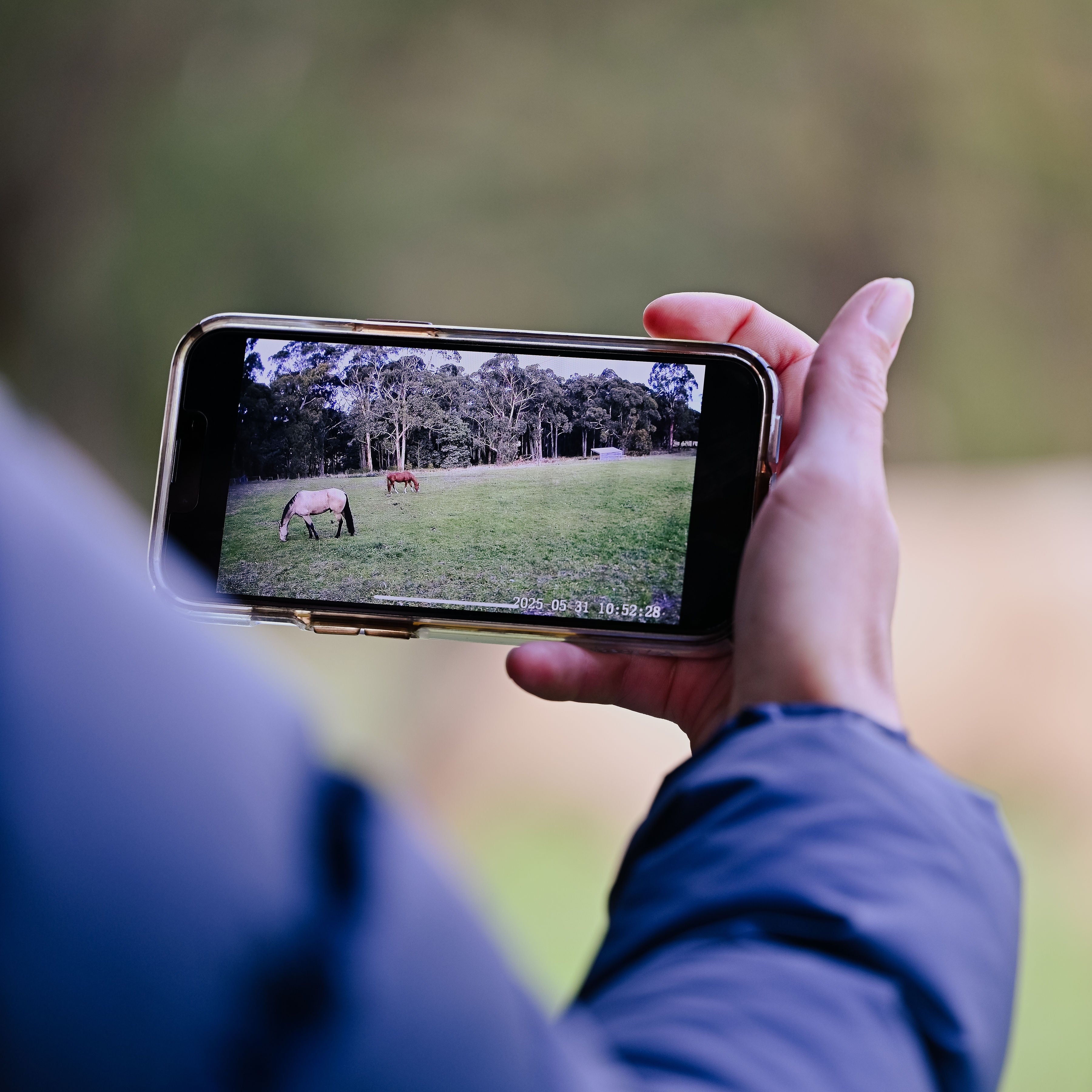
If your horse is turned out for long periods, it can be difficult to monitor behaviors like excessive licking or irritation. Using an Equine Eye camera allows you to check in remotely and spot early signs of discomfort, helping with bot fly infestation prevention in horses.
Learn more about how the Equine Eye camera helps you monitor your horse anytime at equineeye.com
Worming for bot control in horses
Even with careful grooming, some eggs may still be ingested.
To fully protect your horse:
-
Use a wormer for bots in horses
-
Typically administer in late autumn or early winter
-
Follow a proper horse worming schedule for bots
Consistent worming is essential for complete bot control in horses.
Bot eggs are a common seasonal issue, but with the right approach, they are easy to manage. Regular grooming, daily checks, and proper worming will help with preventing bot eggs on horses and keeping your horse healthy.
For horse owners who want extra peace of mind, tools like the Equine Eye camera provide an easy way to stay connected to your horse and catch potential issues early even when you’re not at the yard.
Share:
Farrier etiquette: tips every horse owner should know
Stifle lock in horses: symptoms, treatment & monitoring