
Thinking about sharing your Easter eggs with your horse? Think again. Did you know chocolate is toxic to horses? But just so your horse doesn’t miss out on an Easter treat, we’ve put together a guide on what you can & can’t give your horse.
Watermelons are in, bread is out. And stick to the peppermints for the occasional candy treat.
And as always, if the worst happens and you are concerned about possible colic or caring for a recovering horse, Equine Eye can be a literal lifesaver with 24/7 eyes on your horse from wherever you are.

🍎 Why treats matter (and why they can be risky)
Giving your horse a treat is one of the simplest ways to build trust and strengthen your bond. Whether it’s after a ride, during training, or just because—they love it.
But horses have a sensitive digestive system, and what seems like a harmless snack can quickly lead to issues like colic, laminitis, or toxicity if you’re not careful. The key is knowing what’s safe, what’s not, and how much is too much.
✅ Safe treats for horses
🍏 Fruits & Vegetables (in moderation)
These are natural, nutritious, and widely loved:
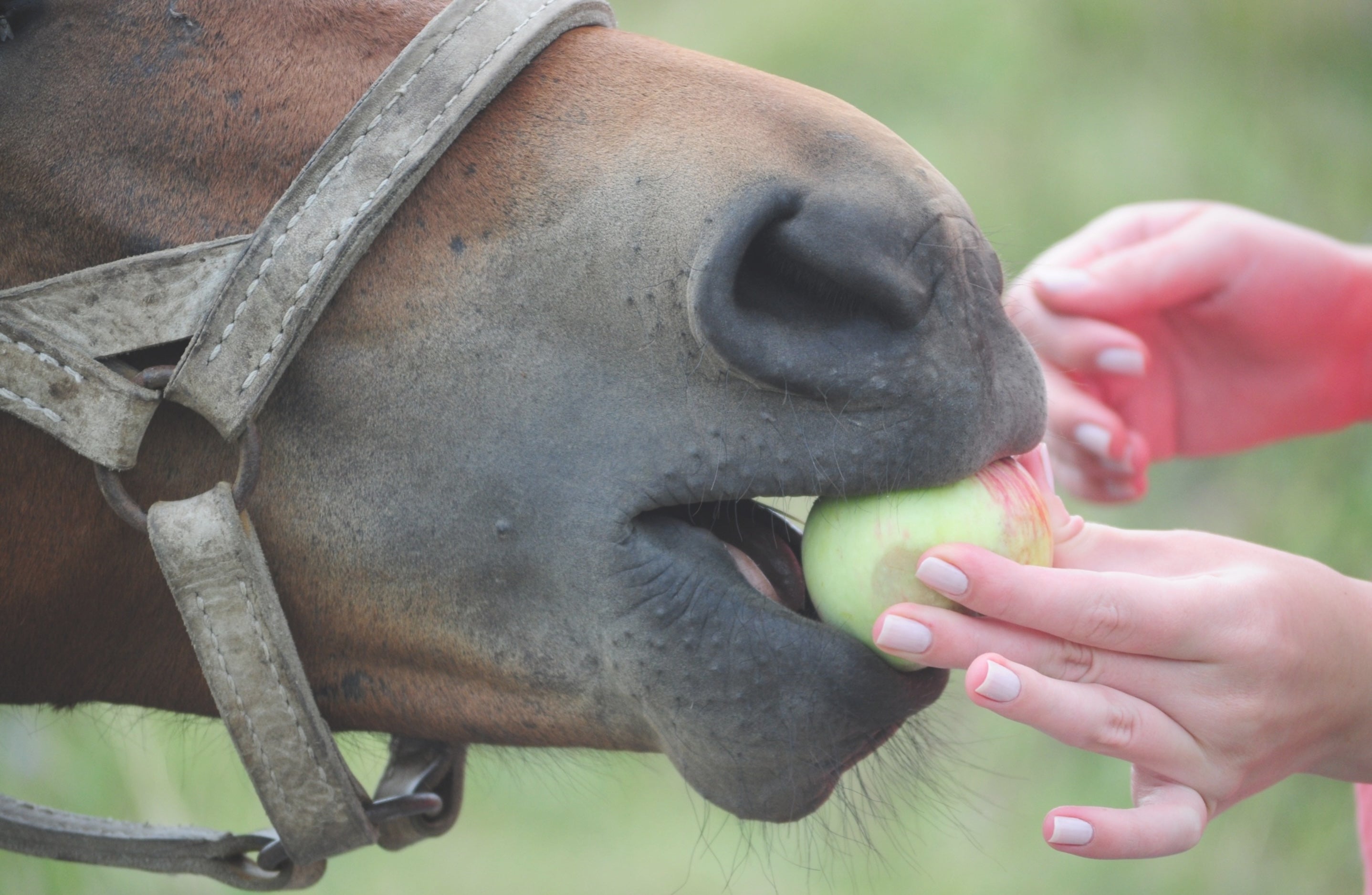
- Apples (remove seeds, cut into slices)
- Carrots (a classic favourite)
- Bananas (including peel, in small amounts)
- Watermelon (flesh and rind)
- Celery
- Pumpkin
👉 Tip: Always cut treats into manageable pieces to reduce choking risk.
🍬 Sweet treats (occasionally)
These are fine as rare rewards, not daily snacks:
- Peppermints – a barn favourite
- Licorice – safe in small quantities (ensure it’s real licorice, not artificially flavoured with harmful additives)
- Commercial horse treats – designed with equine digestion in mind
- Molasses-based treats
⚠️ These are high in sugar—overfeeding can contribute to metabolic issues.
❌ Foods you should NEVER feed horses
🚫 Toxic & dangerous foods
Some human foods are outright dangerous:
- Chocolate – contains theobromine (toxic to horses)
- Onions & garlic (large amounts) – can damage red blood cells
- Avocado – contains persin, which is toxic
- Mouldy food – can cause severe digestive upset or poisoning
- Potatoes (especially raw or green)
⚠️ Foods to avoid or limit
These aren’t always toxic, but they can cause problems:
- Bread – can form doughy masses and cause choke
- Cruciferous vegetables (broccoli, cabbage, cauliflower) – can lead to gas buildup
- Lawn clippings – ferment quickly and may contain toxins
- Dairy products – horses are lactose intolerant
⚖️ How much is too much?
Even safe treats should be fed in moderation:
- Treats should make up less than 5–10% of your horse’s daily intake
- Always prioritise forage (hay/grass) as the foundation of their diet
- Introduce new treats gradually to avoid digestive upset
🐴 Smart treat-giving tips
- Feed treats flat on your palm to avoid nipping
- Be consistent—don’t accidentally encourage pushy behaviour
- Avoid feeding treats right before or after intense exercise
- Always consider your horse’s health (e.g. insulin resistance, laminitis risk)
Treats are meant to enhance your relationship, not replace proper nutrition. When used thoughtfully, they can be a powerful training tool and a small joy in your horse’s day.
If you’re ever unsure, stick to simple, natural options like carrots or apples—and when in doubt, consult your vet.

🐰 Easter time and treats – some things are best enjoyed by yourself and not your horse
During high-risk times like Easter—when sugary treats are everywhere and well-meaning visitors may be tempted to share snacks—having an extra layer of oversight can make all the difference. The Equine Eye Vision Camera allows you to keep a constant, real-time eye on your horse, even when you’re not physically present. Whether it’s spotting early signs of an adverse reaction to a treat (such as restlessness, pawing, or discomfort) or simply identifying who may be feeding your horse without your knowledge, the system provides invaluable peace of mind. Especially during holidays like Easter, when chocolate and other unsafe foods are more accessible, this kind of monitoring can help you act quickly and prevent potentially serious health issues.
You can find the Equine Eye cameras here.
Share:
Why do horses spook? The flight instinct unpacked.
Why hobble training could be a lifesaver