

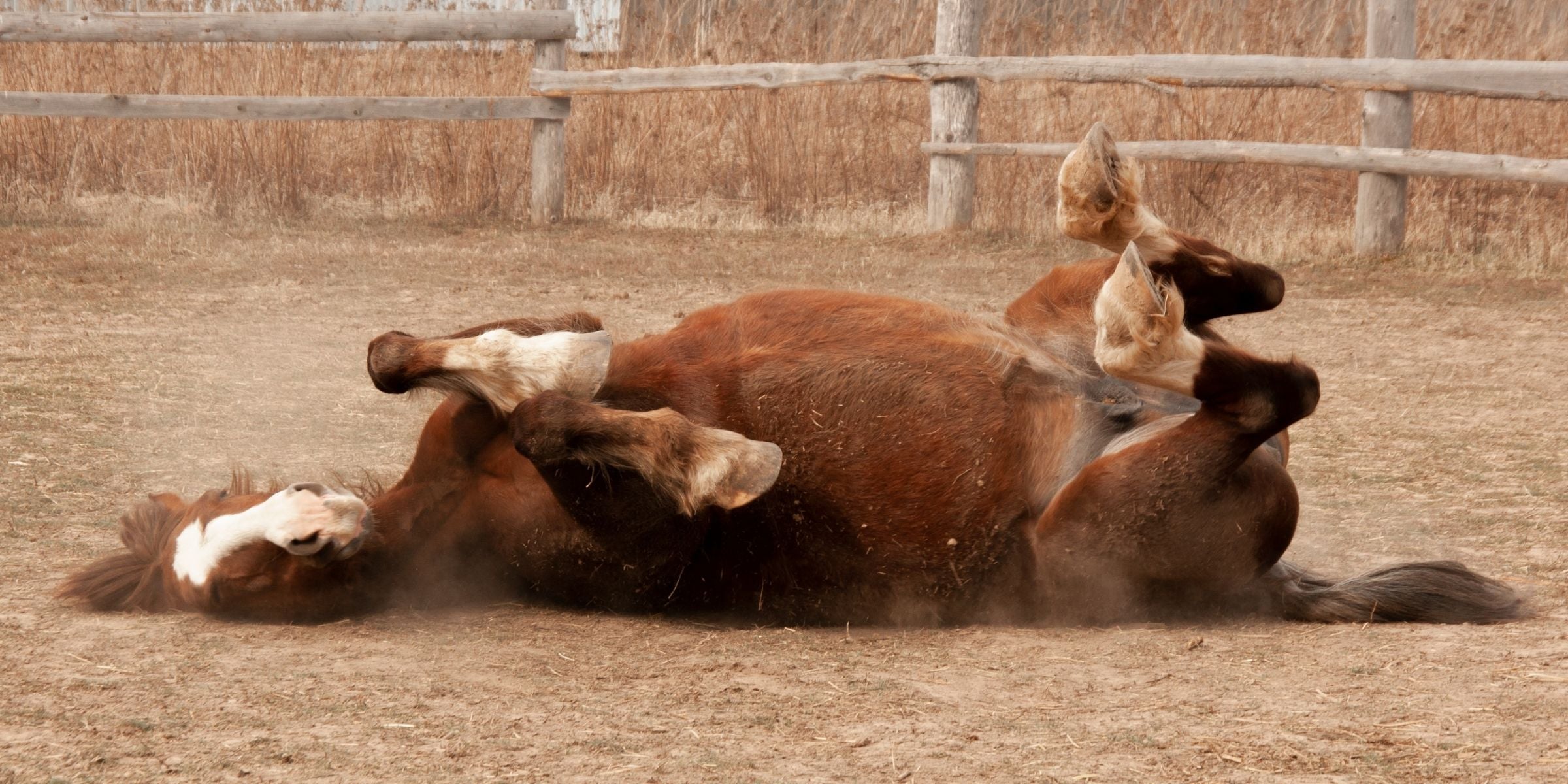
If you've spent any time around horses, you've probably heard someone say, "I think he might have ulcers." The reality is that gastric ulcers are one of the most common medical conditions affecting horses worldwide. Studies have shown that they occur in a large percentage of performance horses, but they're also found in pleasure horses, broodmares and even foals. While some horses show obvious signs of discomfort, others continue working while quietly coping with chronic pain.
Early recognition can make a significant difference to both welfare and recovery. Although a surveillance camera cannot diagnose gastric ulcers, continuous monitoring can help owners identify subtle behavioural changes that often occur before the problem becomes severe. Products such as the Equine Eye Vision 4G Camera allow owners to monitor horses remotely in paddocks, stables and yards, potentially helping detect changes in behaviour sooner.
What are gastric ulcers?
Gastric ulcers are areas where the lining of the stomach has become damaged by stomach acid. The condition is now more accurately referred to as Equine Gastric Ulcer Syndrome (EGUS), which encompasses several different forms of ulcer disease.
The equine stomach is relatively small compared to the size of the horse and has evolved for almost continuous grazing. Horses naturally produce stomach acid 24 hours a day, whether they are eating or not. In the wild this isn't a problem because forage is continually entering the stomach, buffering the acid and providing a protective fibre mat.
Modern management often interrupts this natural process. Meal feeding, periods without forage, travelling, intensive training and competition schedules all increase the likelihood that stomach acid will contact the delicate lining of the stomach.
Two different types of gastric ulcers
Veterinarians generally divide gastric ulcers into two categories.
Equine Squamous Gastric Disease (ESGD)
The upper portion of the stomach is lined with squamous tissue that has very little protection from stomach acid.
During exercise, especially fast work such as racing, jumping or eventing, stomach contents splash upwards onto this vulnerable lining. Repeated acid exposure gradually causes irritation and eventually ulceration.
This is the most common form seen in many performance horses.
Equine Glandular Gastric Disease (EGGD)
The lower portion of the stomach contains glandular tissue which normally produces mucus and bicarbonate to protect itself from acid.
When these protective mechanisms fail—possibly due to stress, inflammation, reduced blood flow or medication—ulcers can develop despite the presence of these natural defences.
Glandular ulcers are often more difficult to treat than squamous ulcers and may require longer treatment protocols.
Why are horses so prone to ulcers?
Unlike humans, horses never "turn off" acid production.
Several management factors increase ulcer risk:
- Long periods without hay or pasture
- High-concentrate grain diets
- Intensive exercise
- Competition and travelling
- Stable confinement
- Changes in routine
- Illness
- Long-term NSAID use
- Psychological stress
- Weaning in foals
The combination of continuous acid production and intermittent feeding makes domesticated horses particularly susceptible.
Which horses are most at risk?
Research has consistently found very high ulcer rates among:
- Thoroughbred racehorses
- Endurance horses
- Eventers
- Dressage horses
- Showjumpers
- Polo horses
However, ulcers are by no means limited to elite athletes.
Pleasure horses, retired horses, broodmares and even horses living at pasture can develop ulcers under the right circumstances.
Clinical signs of gastric ulcers
One of the challenges with ulcers is that many horses show only subtle signs.
Common symptoms include:
Poor appetite
A horse may start leaving grain, eat hay slowly or appear interested in food before stopping after only a few mouthfuls.
Weight loss
Reduced calorie intake combined with chronic discomfort often results in gradual weight loss or difficulty maintaining condition.
Behavioural changes
Many owners notice personality changes before physical symptoms.
A horse may become:
- Grumpy during grooming
- Sensitive when tightening the girth
- Less willing under saddle
- Irritable around feeding time
- More anxious than normal
Reduced performance
Performance horses may develop:
- Resistance to going forward
- Difficulty maintaining collection
- Poor recovery after exercise
- Reluctance to jump
- Loss of impulsion
- General lack of enthusiasm
Mild recurrent colic
Low-grade abdominal discomfort can appear as:
- Pawing
- Looking at the flank
- Stretching
- Lying down more frequently
- Rolling
Teeth grinding
Bruxism can indicate chronic gastric discomfort.
Changes in manure
Some horses develop looser manure or changes in manure consistency, although this is not specific to ulcers.
Why ulcers are sometimes missed
Unlike acute colic, gastric ulcers usually develop gradually.
Owners who see their horse only once or twice a day may not notice small behavioural changes occurring throughout the remaining 22 hours.
This is where continuous monitoring can become valuable.
The Equine Eye Vision Camera provides live monitoring without requiring power or Wi-Fi, making it suitable for stables, paddocks or yards. Because it streams live footage remotely, owners can observe normal daily behaviour rather than relying solely on brief visits.
Behaviour changes a camera may help identify
Although a camera cannot diagnose gastric ulcers, it may help owners notice changes earlier.
Examples include:
Reduced hay consumption
Does your horse normally finish a haynet overnight?
A camera may reveal that they are:
- Walking away from hay repeatedly
- Eating for short periods
- Leaving significant amounts uneaten
- Returning frequently without consuming much
These subtle changes can be difficult to detect without seeing overnight behaviour.
Restlessness
Ulcer discomfort may lead to:
- Constant shifting weight
- Walking the stable
- Repeatedly lying down and standing up
- Difficulty settling
Watching overnight footage can help determine whether this is occurring occasionally or consistently.
Changes in drinking
Owners can observe whether water intake appears normal or has changed significantly.
Time spent lying down
Some horses experiencing abdominal discomfort may alter how much time they spend resting.
Reduced interaction
Horses that are usually bright and curious may become quieter or spend longer periods standing motionless.
Monitoring these patterns over days or weeks may help owners identify developing problems worthy of veterinary investigation.
How veterinarians diagnose ulcers
The only definitive way to diagnose gastric ulcers is through gastroscopy.
During this procedure:
- The horse is fasted.
- A long flexible endoscope is passed through the nostril.
- The entire stomach is examined.
- Ulcers are graded according to severity.
- Appropriate treatment is prescribed.
Gastroscopy also allows veterinarians to distinguish between squamous and glandular disease, which often require different treatment approaches.
Treatment
Treatment depends on the location and severity of the ulcers.
Common veterinary treatments include:
Omeprazole
The gold standard medication for squamous ulcers.
It works by reducing stomach acid production, allowing damaged tissue to heal.
Sucralfate
Often used alongside omeprazole, particularly for glandular disease.
It forms a protective barrier over damaged tissue.
Misoprostol
Sometimes prescribed for difficult glandular ulcers.
Management changes
Medication alone is rarely enough.
Successful treatment usually involves improving management by:
- Increasing forage availability
- Reducing fasting periods
- Minimising unnecessary stress
- Reviewing exercise routines
- Adjusting concentrate feeding
- Increasing turnout where appropriate
Preventing gastric ulcers
Prevention focuses on working with the horse's natural digestive physiology.
Helpful strategies include:
Provide constant forage
Allowing near-continuous access to hay or pasture helps buffer stomach acid.
Feed before exercise
Offering a small hay meal before riding creates a protective fibre layer that helps reduce acid splash.
Reduce stress
Maintain consistent routines wherever possible.
Avoid unnecessary fasting
Even a few hours without forage can significantly increase acid exposure.
Review medication use
Some anti-inflammatory medications should only be used under veterinary supervision.
Monitor changes early
Behavioural changes often appear before serious clinical signs.
Being able to review your horse remotely throughout the day or overnight can help identify patterns that might otherwise go unnoticed.
The portable Equine Eye Vision Camera can be moved between the stable, paddock or even a horse trailer, allowing owners to continue monitoring behaviour in different environments. Features such as live streaming, night vision, motion detection and optional solar power make it suitable for long-term welfare monitoring in locations where traditional cameras may not be practical.
Monitoring horses during treatment
Once a horse has been diagnosed with ulcers, behaviour monitoring remains useful.
Owners often want to know:
- Is my horse eating more normally?
- Has stable restlessness improved?
- Is my horse lying down comfortably?
- Has appetite returned?
- Are they drinking normally?
- Has their overnight behaviour changed?
While veterinary re-examination remains essential, having continuous footage can provide reassurance that management changes are having a positive effect.
The importance of early recognition
Many horses continue performing while living with chronic gastric discomfort.
The earlier subtle signs are recognised, the sooner veterinary investigation can begin. Earlier diagnosis generally means less prolonged discomfort for the horse and often a smoother recovery.
Technology will never replace veterinary expertise, but it can become another useful management tool. A surveillance system provides owners with additional information about their horse's normal daily routine, making unusual behaviours easier to recognise.
The Equine Eye Vision 4G Camera is designed specifically for environments where horses live and travel. Whether monitoring a horse overnight in a stable, observing grazing behaviour in a paddock or keeping an eye on a horse during transport, continuous visibility can help owners notice behavioural changes sooner and seek veterinary advice when appropriate.
Final thoughts
Gastric ulcers remain one of the most common health conditions affecting horses, yet they are often overlooked because the early signs can be subtle. Understanding how ulcers develop, recognising behavioural changes and seeking prompt veterinary assessment are all essential for protecting equine welfare.
While cameras cannot diagnose ulcers, they can provide valuable insight into your horse's daily habits. Changes in appetite, restlessness, lying behaviour or general demeanour may become apparent much sooner when you can observe your horse throughout the day and night rather than only during routine visits.
Combined with good nutrition, appropriate management, regular veterinary care and attentive observation, remote monitoring can become another valuable tool in helping keep horses healthier, happier and more comfortable.
FAQs:
1. Can horses have ulcers even if they look healthy?
Yes. Many horses with gastric ulcers maintain a healthy weight, shiny coat, and good appetite. Behavioural changes are often more noticeable than physical appearance.
2. Can an Equine Eye camera diagnose gastric ulcers?
No. The camera cannot diagnose ulcers, but it can help you identify behavioural changes such as restlessness, reduced eating, mild colic signs, or unusual overnight behaviour that may indicate your horse needs veterinary assessment.
3. What causes gastric ulcers in horses?
Common causes include long periods without forage, intensive training, stress, travel, competition, illness, and diets high in grain or low in fibre.
4. How long does treatment usually take?
Many horses improve after around 3–4 weeks of treatment, although more severe ulcers may require 6–8 weeks or longer depending on your veterinarian's recommendations.
5. Can gastric ulcers come back after treatment?
Yes. Horses remain at risk if the underlying causes are not managed. Ongoing prevention through proper nutrition, stress reduction, and careful management is essential to help prevent recurrence.
Share:
What hay should you feed your horse? Complete guide to hay types and feeding choices
Where should my horse stand in the float? A guide to safer horse transport